
Last Updated: July 13, 2026
Looking for wall painting ideas that transform your Florida home? You are in the right place. At JPL Painting, we help Volusia County homeowners bring design ideas to life with interior paint that suits our coastal climate. From stunning color combinations to simple DIY wall techniques, this guide covers every painting idea you need. Our team brings a 4.6-star rating from 174 reviews to every project.
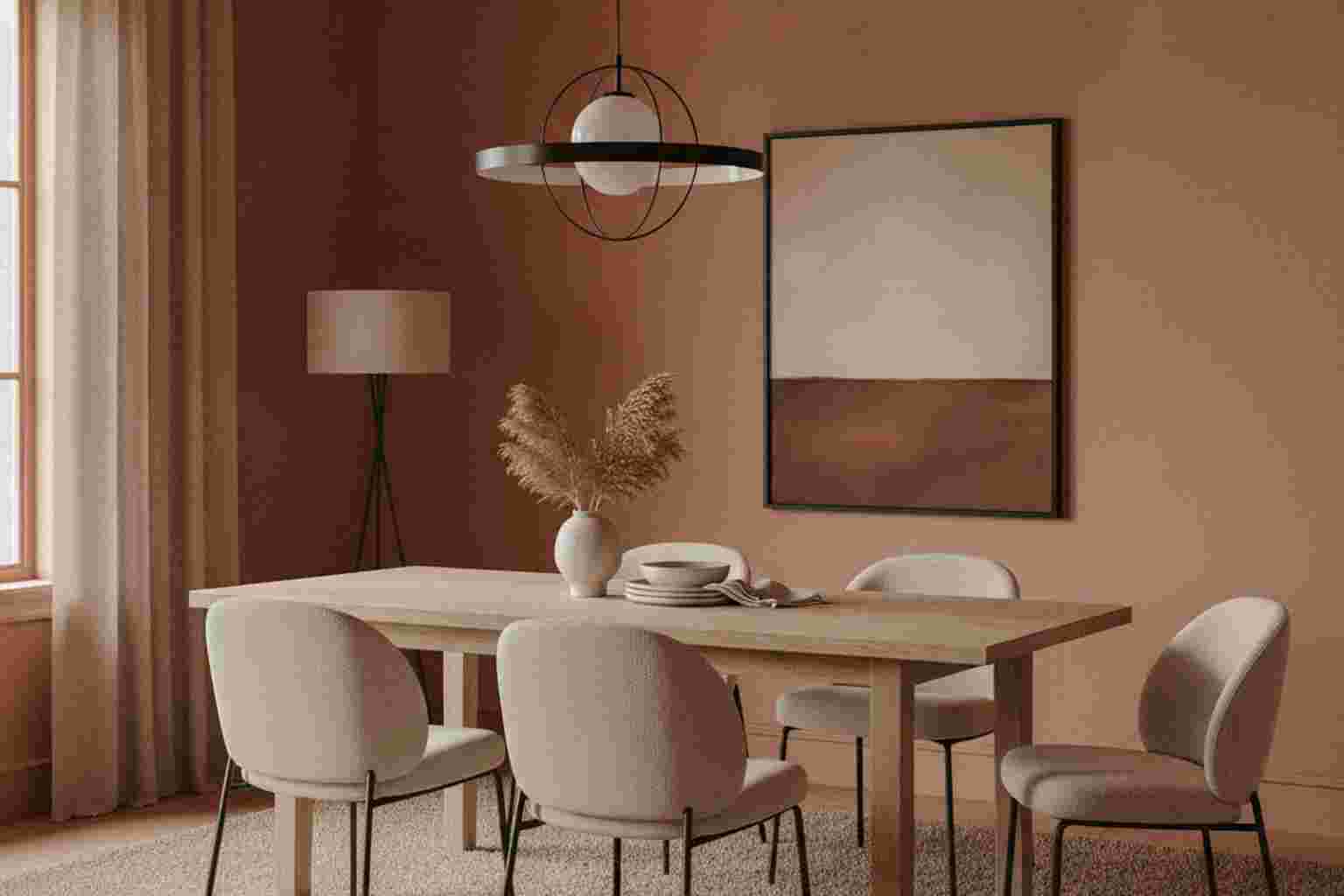
Classic Solid Color Wall Painting Ideas
Sometimes the best wall painting idea is a flawless solid color. A single paint color applied with precision can completely change how a space feels. The key is choosing the right paint color for each room and applying it with professional care.
Popular solid color choices for Florida homes:
- Soft whites and creams for a bright, airy feel
- Warm grays for a modern, grounded look
- Sage green for a natural, calming vibe
- Navy blue for depth and sophistication
- Terracotta for warmth and character
Why solid color works:
Solid wall paint lets your decor and furniture take center stage. A clean wall color serves as a backdrop for artwork, shelving, and accent pieces. In Florida homes where natural light is abundant, solid walls reflect that light beautifully and make rooms feel larger.
The trick is in the execution. Uneven paint, visible roller lines, or poor edge work ruins the effect. Our painting services team preps every wall thoroughly before applying a single coat. We fill imperfections, sand smooth, and prime for adhesion. The result is a flawless finish that makes even a simple solid color look stunning.
Tips for choosing a solid wall color:
- Test paint samples on your actual walls at different times of day
- Consider how much natural light the room gets
- Factor in your furniture and flooring colors
- Remember that paint dries darker than it looks in the can
- Use the same color on walls and ceiling for a cocooning effect (color drenching)
Color Drenching: Paint Everything One Shade
Color drenching is one of the hottest wall painting ideas right now. This technique involves painting walls, ceiling, trim, doors, and sometimes even furniture the same paint color. The result is an immersive, cohesive space that feels intentional and bold.
Why color drenching works in Florida homes:
Florida homes often have open floor plans where rooms flow into each other. Color drenching creates zones without walls. A drenched dining room in deep green feels distinct from a drenched living room in soft cream, even without a partition.
Best colors for drenching:
- Warm whites and creams for a soft, expansive feel
- Sage or olive green for a grounded, natural look
- Dusty blue for a calm, coastal vibe
- Charcoal for a dramatic, cozy space
- Terracotta for warmth and energy
How to pull off color drenching:
Use the same paint color in different sheens to add subtle dimension. A matte finish on walls with a satin finish on trim creates depth while keeping the colour consistent. Painting the ceiling the same shade as the walls draws the eye up and makes the space feel taller. Keep decor minimal so the color itself is the star.
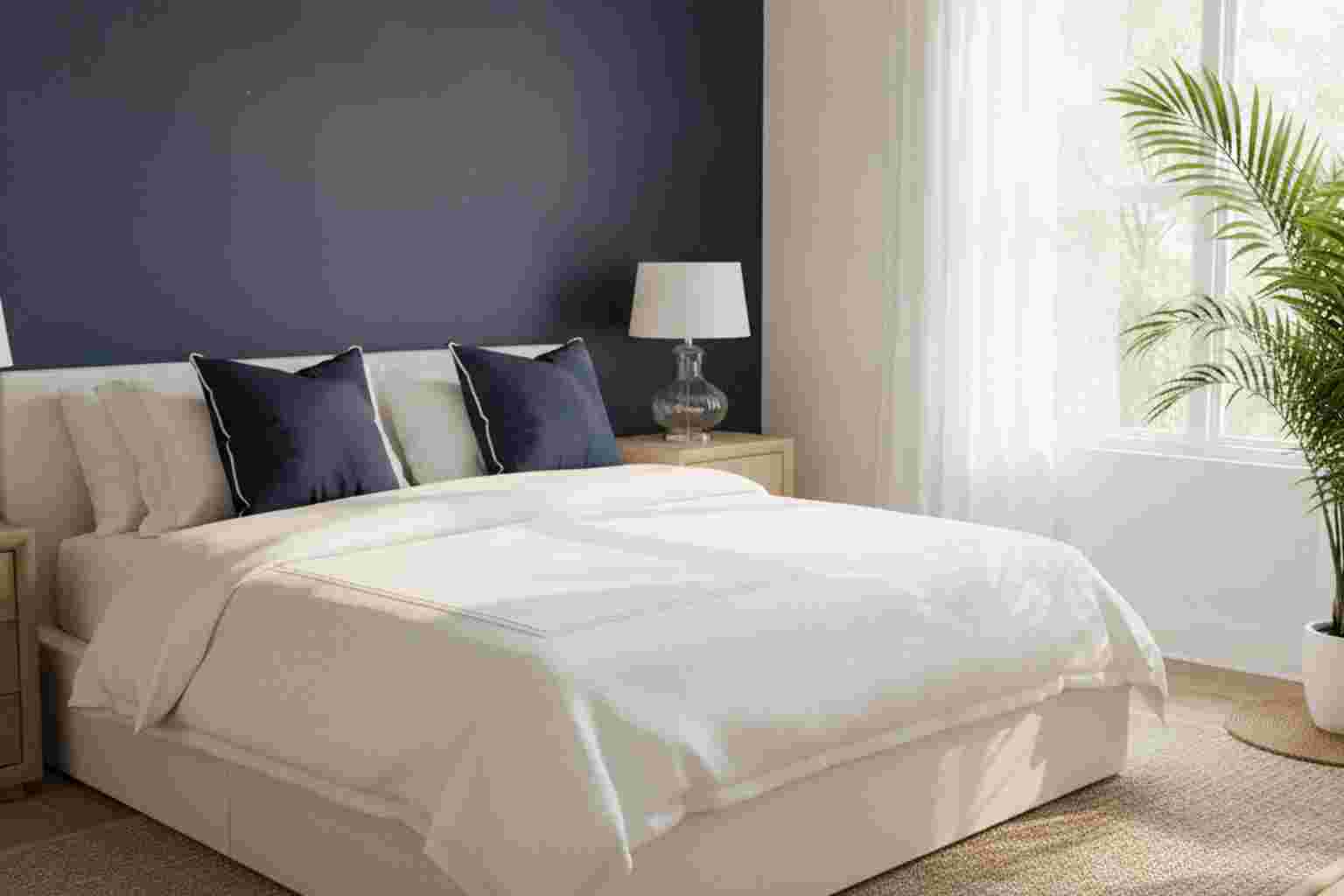
Accent Walls: Bold Painting Ideas for Any Room
Accent walls remain one of the most popular wall painting ideas because they add personality without overwhelming a space. A single wall in a bold shade creates a focal point and anchors the room.
Best rooms for accent walls:
- Behind a bed in the master bedroom
- Behind a sofa in the living room
- Around a fireplace
- In a dining nook to define the space
- In a home office for energy and focus
Accent wall color ideas:
- Deep navy against white walls for classic contrast
- Forest green against cream for a natural, grounded feel
- Charcoal against light gray for modern drama
- Mustard yellow against white for warmth and energy
- Black against any light color for bold sophistication
Pro tips for accent walls:
Choose the wall that naturally draws attention. The wall behind the headboard or the wall a sofa faces works best. Avoid accent walls in small rooms with no natural light, as dark colors can make them feel cramped. Use the same color on accessories like throw pillows or lamp shades to tie the room together.
Accent wall painting ideas on a budget:
If a full accent wall feels like too much commitment, try a half-wall accent. Paint only the lower third of the wall in a bold shade and leave the top white. This creates visual interest with less paint and less risk. Another option is a painted arch behind a console table or bed. Use a compass tool and painter's tape to create a clean semicircle, then fill it with your accent color. These smaller paint design touches add personality without overwhelming the space.
Consider how your accent wall interacts with your decorating style. A bold accent wall in a minimalist room becomes the focal point. In a room with lots of art and decor, a busy accent wall competes with everything else. Match the intensity of your wall painting to the rest of the room.
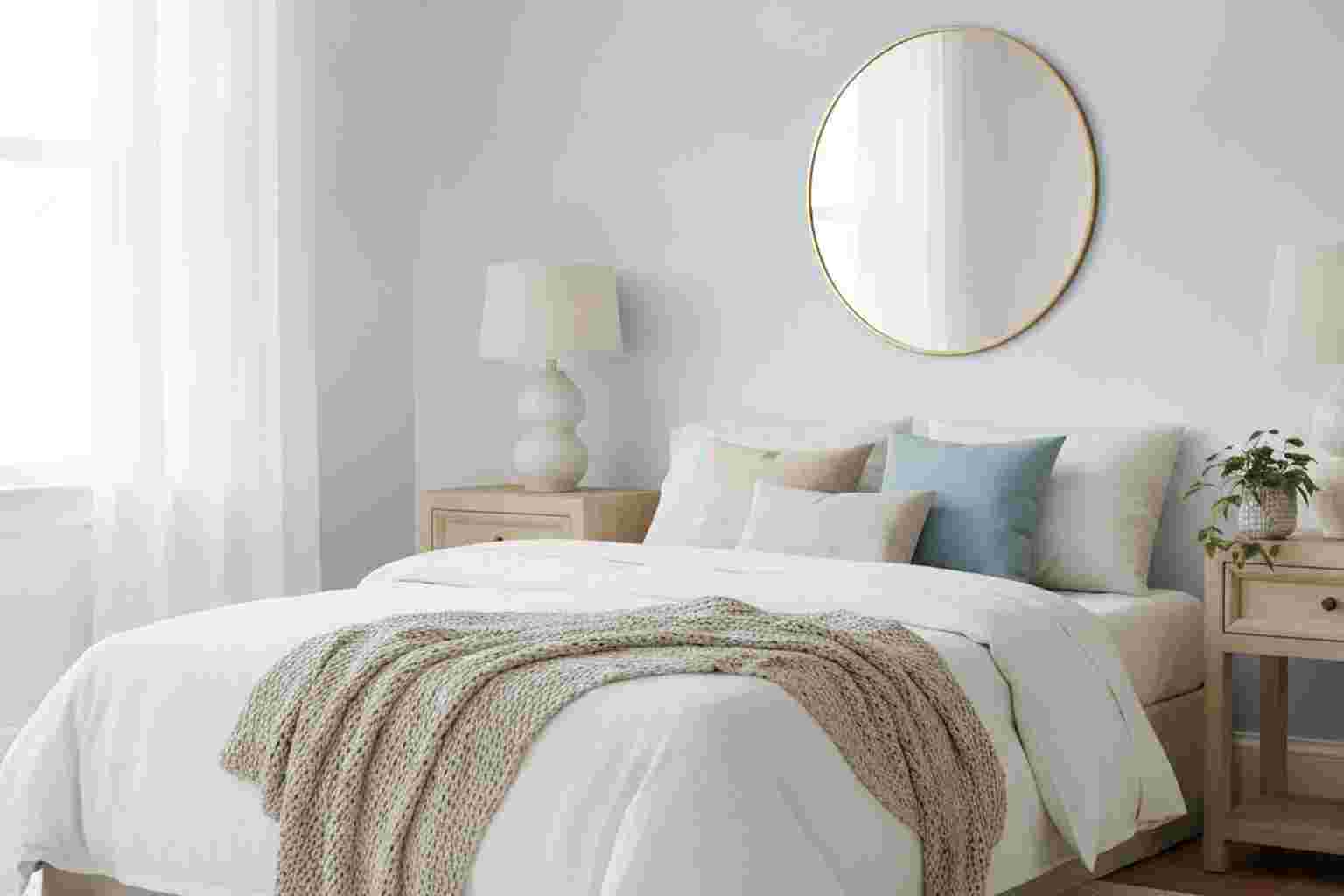
Ombre Effect: Gradient Wall Painting Ideas
The ombre effect is a stunning painting idea that blends one color into another across a wall. This gradient technique creates a soft, dreamy transition that works beautifully in bedrooms, nurseries, and dining spaces.
How to create an ombre wall:
- Choose two or three colors that sit next to each other on the color wheel
- Paint the top section in the lightest shade
- Paint the bottom in the darkest shade
- Blend the middle section while the paint is still wet
- Use a dry brush technique to soften the transition lines
Best color combinations for ombre:
- Soft blue to white for a sky-like feel
- Lavender to cream for a calming bedroom
- Peach to coral for warm, vibrant hues
- Sage to deep green for a natural gradient
- Gray to white for a subtle, modern look
The ombre effect requires patience and a steady hand. The blending must happen while the paint is wet, so working in small sections is essential. If you want this look but are not confident in your DIY wall skills, our painting services team can create it for you.
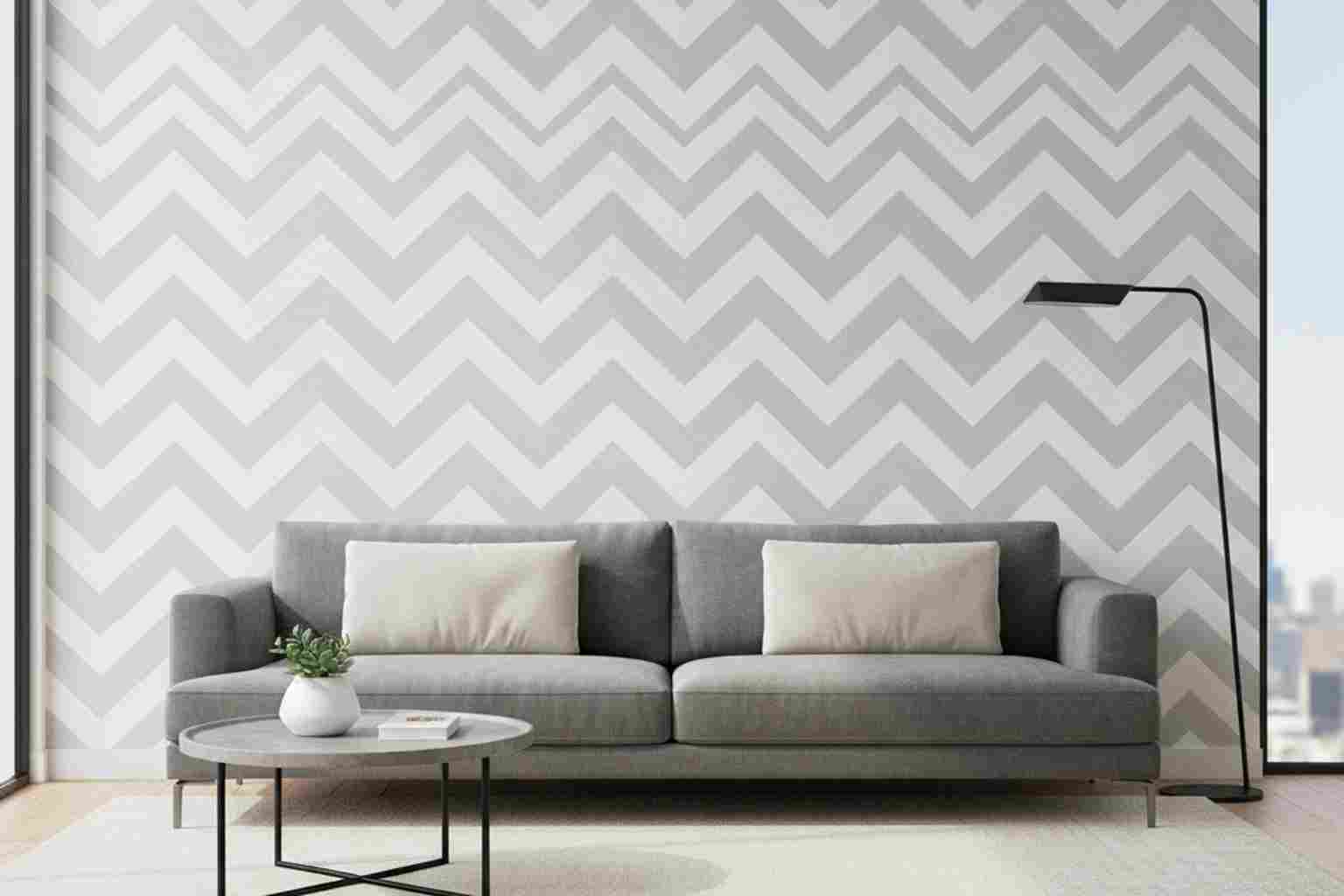
Geometric Patterns: Modern Wall Painting Ideas
Geometric patterns bring energy and movement to walls. From simple stripes to complex chevron designs, geometric wall painting ideas suit modern and contemporary Florida homes.
Popular geometric techniques:
Stripes
Vertical stripes make ceilings look higher. Horizontal stripes widen a narrow room. Use painter's tape and a level for crisp lines. Alternate two shades of the same color for subtle contrast, or use contrasting colors for bold impact.
Chevron and Herringbone
These zigzag patterns add visual interest without needing artwork. Use painter's tape to map the pattern, then fill in alternating sections. Chevron points create a modern, energetic feel. Herringbone offers a more traditional, elegant look.
Color Blocks
Block painting divides a wall into sections of different colors. This technique works well behind shelving or in playrooms. Keep colors in the same family for a cohesive design.
Triangle Mountain Silhouettes
A row of painted triangles along the lower third of a wall creates a mountain range effect. This playful painting idea works well in children's rooms or creative spaces.
Tips for geometric painting:
- Use high-quality painter's tape for crisp lines
- Remove tape while paint is still slightly wet for the cleanest edge
- Plan your pattern on paper first
- Measure twice, tape once
- Use a laser level for long, straight lines
Sponge Painting and Textured Wall Effects
Textured wall painting ideas add depth and tactile interest to flat walls. Sponge painting, rag rolling, and color washing create subtle texture that catches light differently throughout the day.
Sponge Painting Technique:
Apply a base coat in your chosen paint color and let it dry completely. Dip a natural sea sponge in a contrasting shade, dab off excess, and press gently against the wall. The sponge creates a mottled, organic pattern. Layer multiple shades for added depth.
Rag Rolling:
Roll a damp rag in paint, then roll it across the wall in random directions. This creates a soft, fabric-like texture. Use two shades of the same color for a subtle effect or contrasting colors for more drama.
Color Washing:
Apply a base coat, then brush a diluted glaze in a second color over it using crisscross strokes. The result is a soft, layered look that adds warmth and dimension to any space.
Best rooms for textured walls:
- Dining rooms where texture adds elegance
- Hallways where plain walls feel boring
- Powder rooms for a jewel-box effect
- Home offices for visual interest
Textured techniques work best with matte or eggshell paints. Glossy finishes highlight uneven texture and can look messy. Keep decor simple when walls have texture.
Stenciled Wall Painting Ideas
Stenciling lets you add patterns to walls without the commitment of wallpaper. You control the scale, color, and placement of every element. Stenciled design ideas range from subtle allover patterns to bold feature walls.
Popular stencil patterns:
- Moroccan trellis for a global, sophisticated look
- Damask for traditional elegance
- Chevron stripes for modern energy
- Floral motifs for a soft, romantic feel
- Geometric tiles for a backsplash effect
How to stencil a wall:
- Paint your base coat and let it dry fully
- Position the stencil using a level for alignment
- Secure with low-tack painter's tape
- Apply paint with a stencil brush using a dabbing motion
- Use minimal paint to prevent bleeding under the stencil
- Reposition and repeat, aligning with the previous section
- Seal with a clear topcoat for durability
Stencil tips:
Choose large-scale stencils for big walls to speed up the process. Small stencils on a large wall take hours and can look busy. Use contrasting colors for bold impact or tone-on-tone for a subtle, layered effect. Stenciled accent walls behind beds or sofas create a custom wallpaper look at a fraction of the cost.
Striped Wall Painting Ideas
Stripes are among the most versatile wall painting ideas. They can be bold or subtle, wide or narrow, horizontal or vertical. Stripes work in any room and suit every design style.
Vertical stripes:
Vertical lines make ceilings appear higher and rooms feel taller. Use equal-width stripes in alternating shades for a classic look. For a more modern take, try uneven widths with a 2:1 ratio.
Horizontal stripes:
Horizontal stripes widen a narrow room and create a sense of movement. Wide stripes in two tones of the same color feel subtle and sophisticated. Narrow stripes in contrasting colors create bold energy.
Diagonal stripes:
Diagonal lines add unexpected energy and motion. They work well in hallways, staircases, and children's rooms. Use a laser level and painter's tape for clean, precise lines.
Tips for painting stripes:
- Paint the lighter color first as a base
- Let it dry completely before taping
- Seal tape edges with the base color first, then apply the contrast
- Remove tape while the final coat is still wet
- Use a small roller for even coverage within taped sections
Two-Tone Wall Painting Ideas
Two-tone walls split a room horizontally with two complementary colors. This painting idea adds architectural interest to plain walls and works especially well in homes with high ceilings.
Popular two-tone combinations:
- Navy bottom with white top for a nautical feel
- Sage green bottom with cream top for a natural look
- Charcoal bottom with light gray top for modern contrast
- Terracotta bottom with warm white top for Mediterranean warmth
- Black bottom with soft white top for bold drama
How to paint a two-tone wall:
- Paint the top section first and let it dry
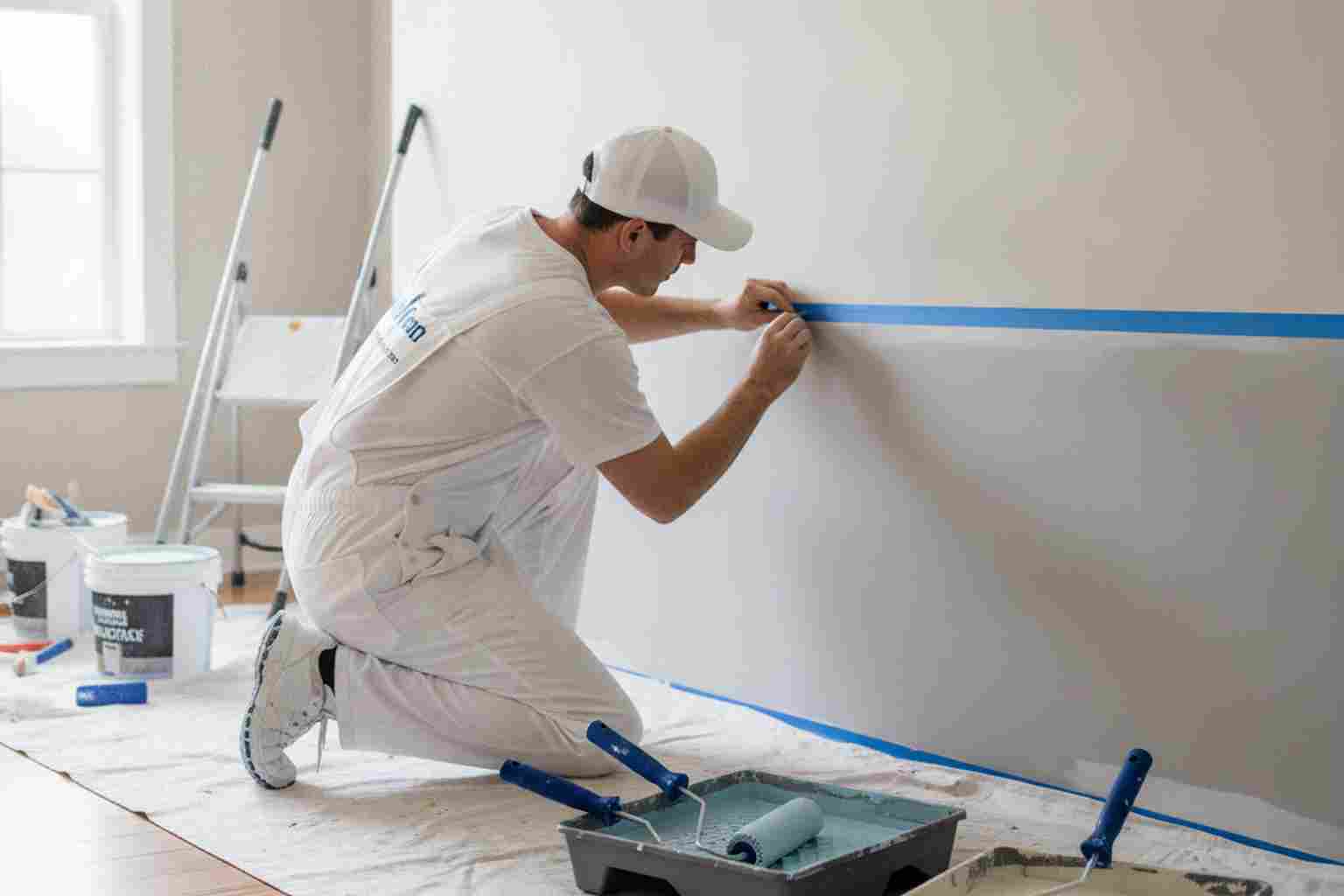
- Apply painter's tape at the desired split line using a level
- Paint the bottom section
- Remove tape while paint is wet for a crisp line
- Touch up any bleeds with a small brush
Where two-tone walls work best:
- Dining rooms where a chair rail defines the split
- Nurseries where a softer top meets a playful bottom
- Living rooms where wainscoting sets the break point
- Hallways where the split adds architectural detail
Two-tone walls look best when the split aligns with architectural features like chair rails, wainscoting, or window sills. The break point should feel intentional, not random.
Wall Painting Ideas for Florida Homes
Florida's unique climate and lifestyle call for specific wall painting ideas. Humidity, bright sunlight, and open floor plans all influence which techniques work best.
Humidity-friendly paint choices:
Florida homes need paints that resist moisture and mold. We recommend satin or eggshell interior paint for most walls. These sheens are easier to clean and hold up better in humid conditions than flat paint. For bathrooms and kitchens, satin is the minimum sheen we suggest.
Light-reflecting colors:
Florida's abundant natural light makes wall colors look brighter than in northern climates. A paint color that feels subtle in the store can glow intensely on a sunlit wall. Test colors on different walls to see how they look at different times of day.
Open floor plan considerations:
Many Florida homes have open layouts where kitchen, dining, and living spaces flow together. Use wall painting ideas that create visual separation without walls. An accent wall in the dining area, color drenching in a sitting room, or a two-tone wall in the kitchen can define zones while keeping the open feel.
Popular Florida wall color palettes:
- Coastal: soft blues, whites, and sandy beiges
- Tropical: coral, turquoise, and warm yellows
- Modern: grays, blacks, and crisp whites
- Mediterranean: terracotta, olive, and cream
- Natural: sage, taupe, and warm white
Florida-specific wall painting tips:
Salt air from the coast can affect interior paint near windows and doors. Use satin finish paint in rooms with ocean-facing windows for easier cleaning. Florida's intense sun shifts wall colors throughout the day. A warm white that looks soft in the morning can glow yellow by afternoon. Test your paint color on multiple walls and observe it at different times before committing.
Humidity also affects how paint dries. In Florida's moist air, paint takes longer to cure. Allow extra drying time between coats, especially during summer months. We schedule exterior painting around weather patterns, but interior painting also benefits from climate awareness. Running the AC helps paint cure properly by reducing indoor humidity.
DIY Wall Painting vs Professional Painting Services
Many wall painting ideas look easy on social media but require significant skill to execute well. Understanding when to tackle a project yourself and when to call our painting services saves time, money, and frustration.
Great DIY wall painting projects:
- Simple solid color walls in low-traffic rooms
- Basic striped walls with wide, even stripes
- Color blocking with straight lines and simple shapes
- Stenciled walls with large, simple patterns
- Two-tone walls with a chair rail as a guide
Projects best left to professionals:
- Ombre gradients requiring wet-edge blending
- Complex geometric patterns with multiple colors
- Textured techniques like sponge painting and rag rolling
- Color drenching across walls, ceiling, and trim
- High walls or stairwells requiring ladders
- Rooms requiring extensive surface repair first
Why professional painting services matter:
Our team handles surface preparation that most DIY wall painters skip. We fill cracks, sand smooth, prime bare spots, and caulk gaps before painting. This prep work determines how long your paint job lasts. Skipping it means peeling, cracking, and visible imperfections within months.
We also use premium paints that resist fading, staining, and moisture. Professional-grade paint covers better in fewer coats and holds its color longer. Our team works efficiently and cleans up completely, leaving your home ready to enjoy.
Common DIY wall painting mistakes:
- Skipping primer on repaired or patched areas
- Using cheap painter's tape that bleeds at the edges
- Applying too much paint per coat, causing drips and sagging
- Painting over dust and debris without cleaning walls first
- Not allowing adequate drying time between coats
- Using the wrong roller nap for the paint sheen
- Forgetting to remove outlet covers and switch plates
The cost of getting it wrong:
A failed DIY wall painting project costs more than hiring a professional from the start. You spend money on paint and supplies, invest hours of your time, and then have to hire us to fix the mistakes. Repainting over a bad job requires more surface prep than starting fresh because we have to sand out roller marks, drips, and uneven texture before we can begin.
When to call JPL Painting:
Our painting services cover every wall painting idea in this guide. Whether you want a simple solid color refresh or a full color drenching transformation, our team delivers flawless results. We serve New Smyrna Beach and surrounding Volusia County communities with a 4.6-star rating from 174 reviews. Call us at (386) 576-4730 for a free estimate on your next wall painting project.
Frequently Asked Questions
The latest trends in wall painting include color drenching, ombre gradient walls, geometric patterns, and two-tone walls. Color drenching transforms a room by painting walls, ceiling, and trim the same shade for an immersive look. Ombre effects blend two colors vertically for a soft, dreamy transition. Geometric patterns like chevron and triangles add energy and movement. Two-tone walls split horizontally with complementary colors for architectural interest. Earthy tones like sage green, terracotta, and warm taupe are replacing cool grays as the most popular paint colors for wall painting ideas.
Paint a wall creatively by trying techniques beyond basic solid color. Start with an accent wall in a bold shade like navy or forest green. Try geometric stripes using painter's tape and a level for crisp lines. Create an ombre gradient by blending two colors while the paint is still wet. Use stencils to add patterns like Moroccan trellis or damask without wallpaper. Try color drenching by painting walls, ceiling, and trim the same shade. Two-tone walls with a horizontal split add architectural detail. For texture, try sponge painting or rag rolling with two shades of the same color. Always test your technique on a sample board first.
Wall art trending now includes large-scale abstract pieces, gallery walls with mixed frames, and painted murals. Stenciled accent walls are replacing framed art in many homes because they create custom designs at a fraction of the cost. Color drenching eliminates the need for wall art by making the wall color itself the focal point. Geometric painted patterns like chevron and triangles serve as built-in wall art. Textured techniques like sponge painting and color washing create visual interest that stands alone without additional decor. The trend is moving toward walls that are themselves the art rather than blank canvases for hanging pieces.
The best color to paint a wall depends on the room, lighting, and your personal style. Soft white and warm cream are the most versatile wall colors because they work with any decor style and make rooms feel bright and spacious. Sage green is the top trending color for 2026 because it feels calm, natural, and pairs well with warm wood tones. Navy blue adds depth and sophistication to living rooms and dining spaces. For Florida homes, light-reflecting colors like warm white, soft gray, and pale blue help keep interiors cool and take advantage of abundant natural light. Always test paint samples on your actual walls before committing to a full room.